

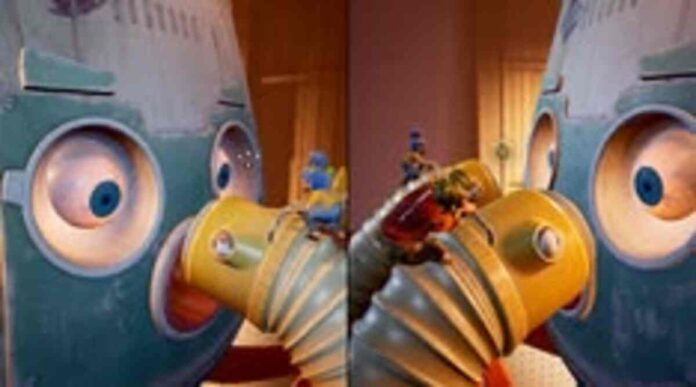
Barry Levinson’s 1992 fantasy-comedy film Toys is making a comeback in 2026. People are amazed by how it predicted modern warfare. When it first came out the film starring Robin Williams was dismissed as a flop.. Now its strange criticism of the military-industrial complex seems very relevant.
The world today is about cheap drone swarms and video game-style combat. These things were just starting to happen when Toys was made. The film is about Leslie Zevo, played by Robin Williams, who inherits his father’s toy factory. His uncle, Lieutenant General Leland Zevo played by Michael Gambon takes over. Changes the factory to make war machines that look like toys.
- The film shows a bunker where kids play video games to control remote-controlled helicopters and tanks.
- They destroy things on the screen. They don’t realize they are training for real warfare.
- The general’s plan is to use kids’ gaming skills to create a generation of warriors who can destroy things from a safe distance.
Toys was made than two years before the first test flight of the Predator drone.. It accurately predicted the rise of drones and low-cost tactics in modern conflicts. Today we see swarms of drones and remote systems that let operators strike targets from far away.
The film also talked about how war and entertainment’re mixing. The toy factory makes weapons that look like toys. This is similar to today’s concerns about technologies that can be used for both good and bad.
- Barry Levinson has said that the world has finally caught up to his vision.
- He warned about the combination of intelligence, remote systems and gamified interfaces.
- Clips from Toys have become popular on media with people amazed by how similar they are to real footage of drone operations.
Toys is a stunning film with lavish sets and great performances. It has a cult following and its message, about preserving imagination in the face of conflict is very relevant today.
As drone warfare evolves with AI autonomy and cheaper systems Toys is both entertainment and a warning. It challenges viewers to think about the cost of conflict. In 2026 Barry Levinson’s forgotten film feels like a warning that we still need to pay attention to.