

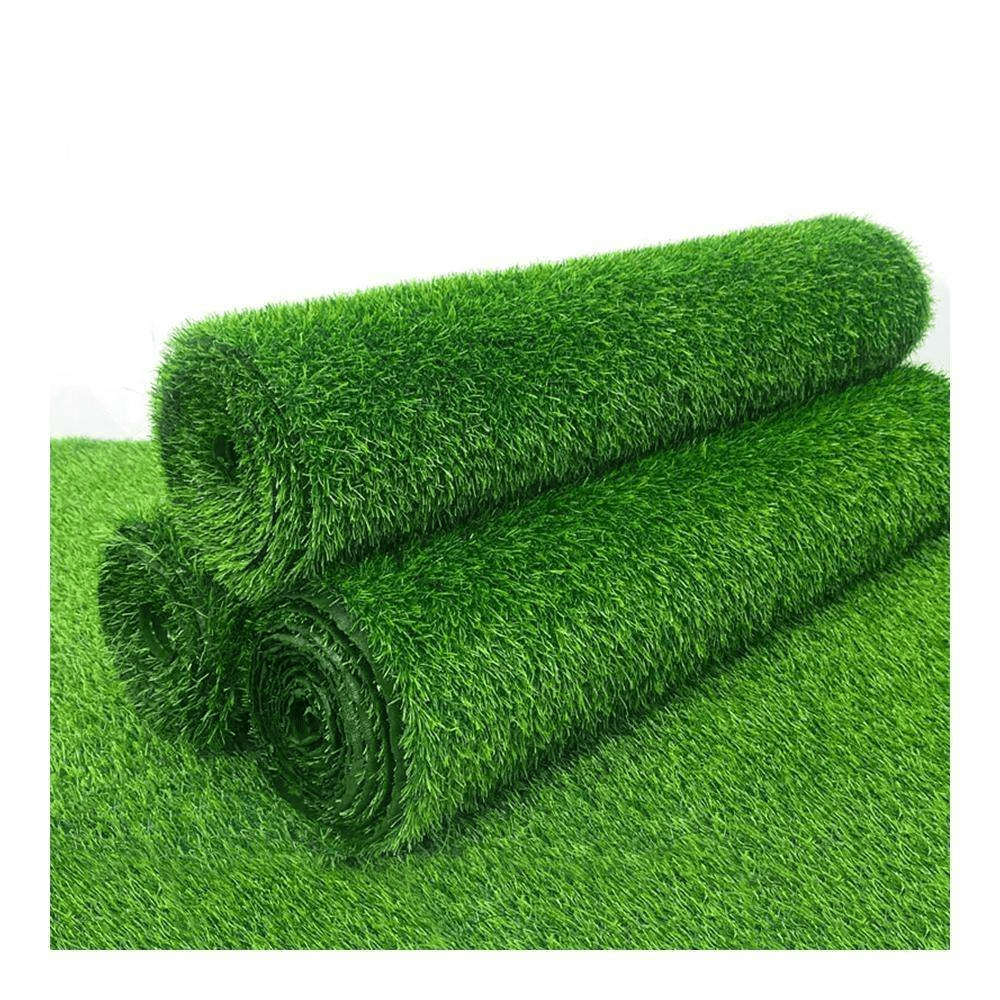
Artificial turf is becoming increasingly popular in sports facilities, businesses, and residences as a result of its low maintenance requirements and environmental tolerance. In regions with limited water resources, artificial turf is an exceptional sustainable alternative, as it requires less fertilizer, irrigation, and maintenance than genuinely green grass. Artificial turf is currently considered a viable solution to the landscaping needs of the present day as a result of its perpetual green condition and durability.
Artificial turf has a diverse array of applications in both residential and commercial environments. A lush, visually appealing green space can be created in any location, from a backyard garden to a home’s roof, using artificial turf. This resolves the complications that arise from the seasonal fluctuations of natural vegetation. Furthermore, the prevalence of artificial turf is on the rise as a result of the challenges associated with the upkeep of natural grass in urban areas. Users will benefit from the reduced maintenance costs, increased durability, and enhanced appearance of artificial turf.
The sports field has been significantly transformed by synthetic grass, which provides the same sort of playing surface for football, soccer, and other sports. However, if the weather is adverse and participants persist in walking on the natural grass, the experience will become monotonous. Synthetic turf is being employed to construct secure and visually appealing fields in educational institutions, professional stadiums, and public parks.
The prevalence of artificial grass has been significantly influenced by the efforts of specialized manufacturers. These businesses utilize state-of-the-art technology to create grass that is both aesthetically pleasing and tactilely similar to real grass, yet is significantly more durable. A product that satisfies industry standards for environmental sustainability, safety, and performance can be produced by a reputable artificial grass company.
The use of artificial grass or synthetic turf is an environmentally friendly lifestyle that eliminates the need for hazardous fertilizers and pesticides, as well as reduces water consumption. In contrast, property owners will enjoy a landscape that is consistently verdant and appealing, while simultaneously saving money on basic maintenance.
It is essential to take into account the product’s intended use, longevity, and aesthetic preferences when selecting the most suitable synthetic turf or artificial grass. Sports facilities will prioritize a grass that is both durable and secure, despite the fact that individuals who desire the product for their residences may be more inclined to select one that is gentle and resembles natural grass.
Synthetic turf, artificial grass, and artificial turf are altering our perspectives on horticulture and sports fields. In addition to being practical and aesthetically appealing, the solutions of today are also consistent with environmental principles. The innovative manufacturers of artificial grass are responsible for all of this.