

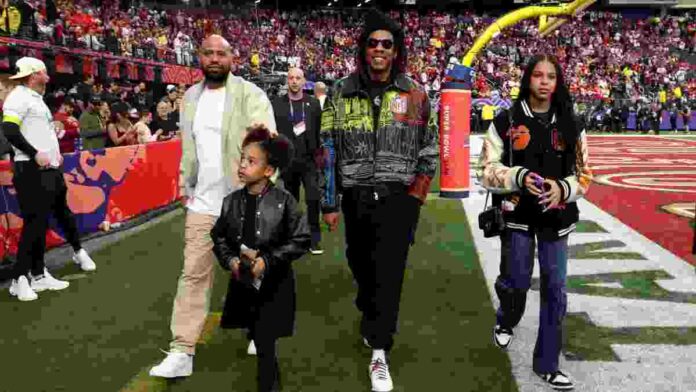
The lines between entertainment, sports, fashion, and lifestyle have never been more blurred. In 2026, cultural influence is no longer confined to film premieres or music releases. Instead, entertainment and cultural figures are actively redefining fashion and lifestyle narratives through major sporting events, red-carpet appearances, and global fashion weeks, turning every public appearance into a moment of cultural storytelling.
Sporting events, once focused solely on athletic performance, have evolved into global lifestyle showcases. High-profile tournaments, championship finals, and award ceremonies now attract celebrities, designers, and cultural icons whose presence extends the event’s influence far beyond the game itself. Cameras increasingly capture what happens off the field—outfits, accessories, and interactions—often generating as much conversation as the sport.
This shift is evident in how global stars use visibility strategically. Musicians, actors, and digital creators attending major sporting events are no longer passive spectators. Their fashion choices instantly become trend signals, influencing everything from streetwear aesthetics to luxury collaborations. The rise of athlete-celebrity crossovers has further amplified this effect, as sports stars adopt fashion-forward identities while entertainers embrace athletic-inspired styles.
Major fashion events have also become cultural convergence points rather than industry-only gatherings. Global showcases like Paris Fashion Week and the Met Gala now feature a blend of designers, film stars, musicians, and elite athletes seated side by side. These appearances redefine fashion reporting, shifting coverage from runway trends alone to personality-driven storytelling. What a celebrity wears, how they style it, and where they appear now shapes consumer preferences faster than traditional campaigns.
The influence of sports icons entering fashion spaces has been particularly significant. Athletes attending fashion weeks or collaborating with luxury brands have normalized the idea that performance and style coexist. This crossover has elevated sportswear into luxury fashion and brought tailored elegance into athletic lifestyles. As a result, modern fashion increasingly reflects versatility—designed to transition from casual to premium without sacrificing comfort or identity.
Social media has accelerated this cultural exchange. Moments from sporting events or fashion shows are instantly shared, dissected, and replicated across platforms. A single appearance by a global icon can spark international fashion trends within hours. Lifestyle reporting has adapted accordingly, focusing on moments rather than seasons, and influence rather than exclusivity.
Entertainment figures also play a growing role in redefining beauty and lifestyle standards. Hairstyles, grooming choices, and wellness routines showcased at public events often translate directly into consumer demand. Brands closely monitor these appearances, knowing that cultural relevance now outweighs traditional advertising reach. Authenticity and personal narrative matter more than polished perfection.
Another emerging trend is the rise of experiential luxury. Celebrities attending sporting finals or cultural festivals often blend fashion with travel, wellness, and curated experiences. This has expanded lifestyle reporting beyond clothing into broader narratives around how cultural leaders live, travel, and unwind. Fashion is no longer just worn; it is lived and experienced.
Global audiences are particularly drawn to this evolution because it reflects a more integrated lifestyle aspiration. Fans no longer want to dress like celebrities only for special occasions—they want styles that fit everyday life while carrying cultural significance. This has encouraged designers and brands to create collections inspired by real-world moments rather than abstract concepts.
The growing overlap between entertainment, sports, and fashion also reflects changing media priorities. Lifestyle coverage increasingly focuses on influence, identity, and cultural impact rather than traditional fame metrics. A celebrity’s relevance is now measured by how effectively they shape conversations across industries, not just within their own field.
As major sporting events, fashion weeks, and cultural gatherings continue to attract global attention, entertainment figures will remain central to lifestyle storytelling. Their presence transforms events into cultural moments, fashion into narrative, and lifestyle into a shared global experience.
In this new era, fashion and lifestyle are no longer dictated solely by designers or trends. They are shaped by the people who embody culture in motion—those who move seamlessly between entertainment, sports, and everyday life. The result is a more dynamic, inclusive, and influential global style narrative that continues to evolve with every appearance, every event, and every moment captured.