

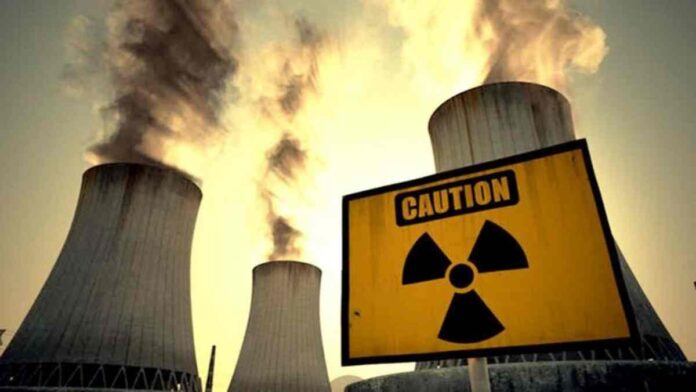
A growing global energy crisis is pushing governments and energy companies to reconsider nuclear power as a reliable solution for future electricity demand. Rising geopolitical tensions, volatile fossil fuel prices and the rapid growth of energy-intensive technologies such as artificial intelligence have forced many countries to rethink their energy strategies. As a result, nuclear energy is experiencing a renewed wave of investment and political support around the world.
The energy market has faced repeated disruptions in recent years. Conflicts affecting oil and gas supplies have highlighted how vulnerable many countries remain to global energy shocks. Recent geopolitical tensions in the Middle East, for example, have disrupted oil and natural gas shipments through key trade routes, pushing fuel prices higher and creating uncertainty for energy-importing nations. Governments are now looking for more stable and domestically controlled energy sources to reduce dependence on imported fuels.
Nuclear power has increasingly emerged as one of the most attractive options in this search for energy security. Unlike fossil fuels, nuclear reactors can generate large amounts of electricity continuously without relying on external fuel supply chains that may be disrupted by conflicts or market fluctuations. Nuclear plants also produce very low carbon emissions, making them appealing to countries attempting to meet climate targets while maintaining stable electricity generation.
Recent reports suggest that global nuclear electricity generation is set to reach historic levels during the second half of this decade as more reactors come online and existing plants extend their operating lifetimes. New reactors are being built across Asia, particularly in China, while several countries in Europe and the Middle East are launching new nuclear programs or expanding existing ones.
Europe is experiencing one of the most significant policy shifts toward nuclear energy in decades. Many governments that once planned to phase out nuclear power are now reconsidering those decisions due to rising electricity costs and concerns about energy independence. Countries such as Poland, Slovakia and Hungary are already constructing new reactors, while others are exploring the development of advanced nuclear technologies to strengthen their energy systems.
Another major trend driving the nuclear revival is the development of small modular reactors, often known as SMRs. These next-generation reactors are smaller, more flexible and cheaper to build than traditional nuclear plants. They can be deployed in stages and installed closer to cities or industrial areas, providing reliable energy for both electricity and heating systems.
Several companies and cities are already planning major investments in SMR technology. In Finland, the Helsinki energy utility Helen has proposed investing billions of euros in small nuclear reactors to meet rising power demand and provide stable low-emission energy. Similar projects are being explored in countries including the United Kingdom, the United States and India as governments seek scalable solutions to growing electricity needs.
The rising demand for electricity is also being fueled by the rapid expansion of digital infrastructure. Data centers powering artificial intelligence, cloud computing and cryptocurrency networks require enormous amounts of energy. Analysts expect electricity consumption to continue rising sharply over the next decade as these technologies expand globally. Reliable baseload energy sources such as nuclear power are increasingly seen as essential for supporting this digital transformation.
Investment trends reflect this shift in thinking. Global nuclear investment currently stands at around 65 billion dollars per year and is expected to increase significantly by 2030 as governments pursue long-term energy security and low-carbon power generation. In addition, international financial institutions and development banks are beginning to support nuclear energy projects in emerging economies, further accelerating the sector’s growth.
Despite the renewed enthusiasm, nuclear power still faces challenges. Large construction costs, strict safety regulations and concerns about radioactive waste continue to influence public debate. Some environmental groups argue that renewable energy sources such as solar and wind should remain the primary focus of future energy investment.
However, many energy experts now believe that nuclear power will play a crucial role alongside renewable technologies in the transition to a cleaner and more secure global energy system. Nuclear reactors provide consistent electricity regardless of weather conditions, helping stabilize power grids that rely heavily on intermittent renewable sources.
As the world grapples with rising energy demand and uncertain fuel supplies, nuclear energy appears to be entering a new phase of global importance. Governments, investors and energy companies are increasingly viewing nuclear power not as a relic of the past, but as a key pillar of the future energy economy.